
A strong Wi-Fi connection isn’t a luxury in senior living communities-it’s a lifeline. Residents depend on reliable connectivity to stay in touch with family, access telehealth services, and call for help when they need it.
At Clouddle, we’ve seen firsthand how poor connectivity creates real problems for both residents and facility operators. Senior living Wi-Fi solutions that actually work can transform how communities operate and how residents live their daily lives.
Why Reliable Wi-Fi Transforms Senior Living
Emergency Response Depends on Uninterrupted Connectivity
When a resident experiences a fall or medical emergency, every second counts. A Wi-Fi connection that drops or slows down delays emergency alerts, interrupts telehealth consultations, or prevents staff from accessing critical resident information. AARP reports that over 75% of adults aged 65 and older use the internet regularly, and many rely on it for video calls with family, accessing medications through pharmacy apps, and staying informed about their health. Without reliable connectivity, residents lose independence and operators face liability risks. A managed Wi-Fi solution with seamless coverage throughout the facility keeps emergency systems, monitoring devices, and communication tools functioning without interruption. Staff respond faster to alerts, residents reach family members instantly, and facility operations run without the frustration of dead zones or service dropouts.
Social Connection Strengthens Physical and Mental Health
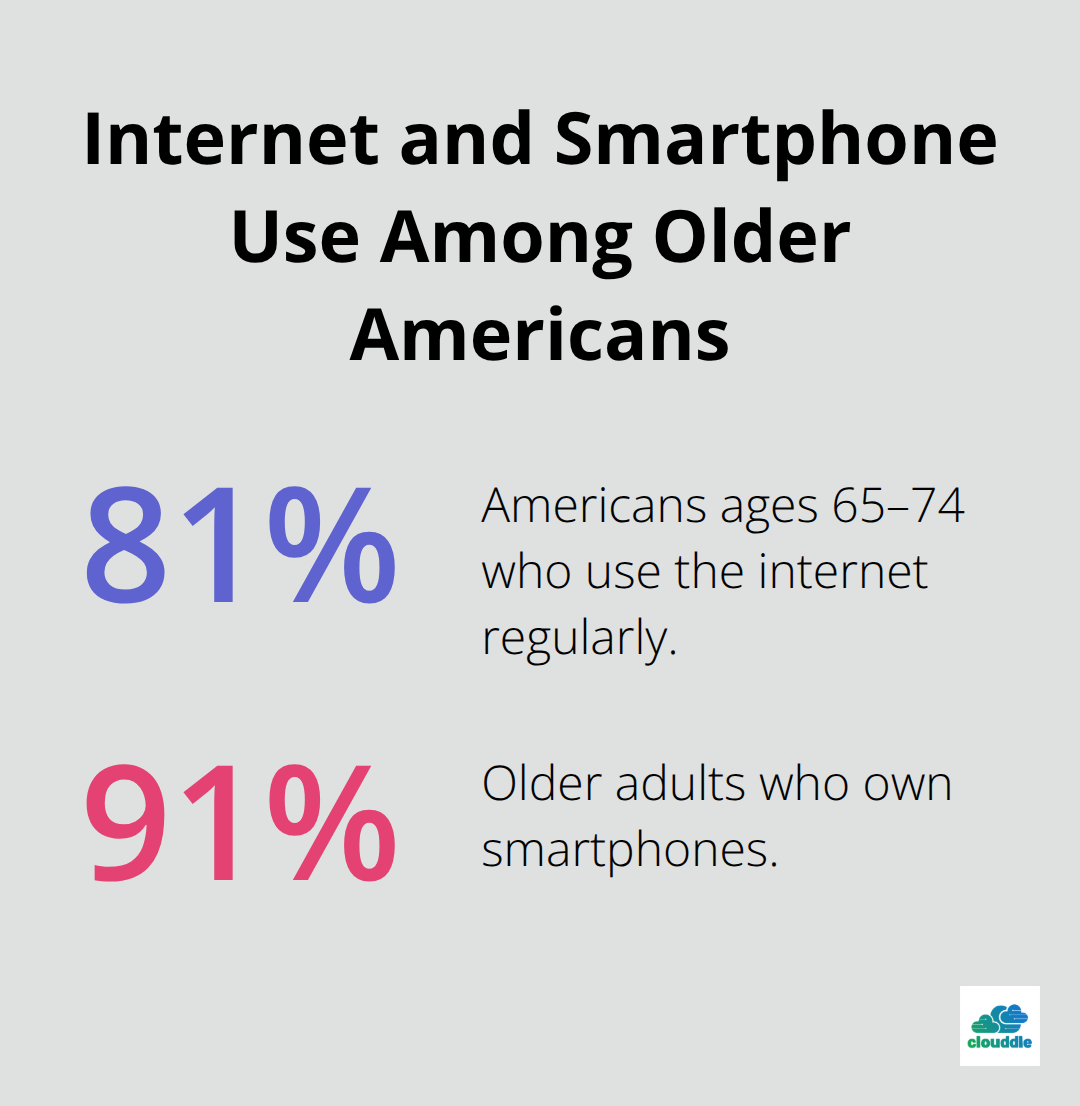
Social isolation significantly impacts physical and mental health in seniors. Pew Research Center data shows nearly 81% of Americans aged 65 to 74 use the internet, and 91% of older adults own smartphones.
Reliable Wi-Fi allows residents to video call grandchildren, participate in online learning through platforms like Coursera or library databases, and engage in digital social activities such as online book clubs or exercise classes. Smart home features like voice assistants and remote thermostats require stable connectivity to function properly, enabling residents to control their environment independently. When Wi-Fi fails, residents become isolated and frustrated, and facility staff waste time troubleshooting instead of providing care. A robust network directly correlates with higher resident satisfaction and retention rates, making it a competitive advantage for attracting families during the decision-making process.
Telehealth and Remote Monitoring Require Network Strength
Telehealth has transformed senior care, allowing residents to consult specialists without leaving their rooms. However, video visits require consistent, high-speed connections. Remote monitoring devices that track vital signs, detect falls, or alert staff to emergencies all depend on uninterrupted bandwidth. A facility with poor Wi-Fi cannot reliably support these tools, forcing residents back to in-person appointments and increasing operational costs. Network segmentation and security protocols must protect sensitive health data while maintaining the speed residents need for video consultations and online banking. Facilities that invest in managed Wi-Fi solutions with 24/7 support eliminate the burden on IT staff and reduce downtime, directly improving the quality and accessibility of healthcare services. These operational improvements set the stage for addressing the real obstacles that prevent many senior living communities from achieving this level of connectivity.
Why Senior Living Wi-Fi Networks Fail in Practice
Dead zones in senior living facilities Plague Buildings With Complex Layouts
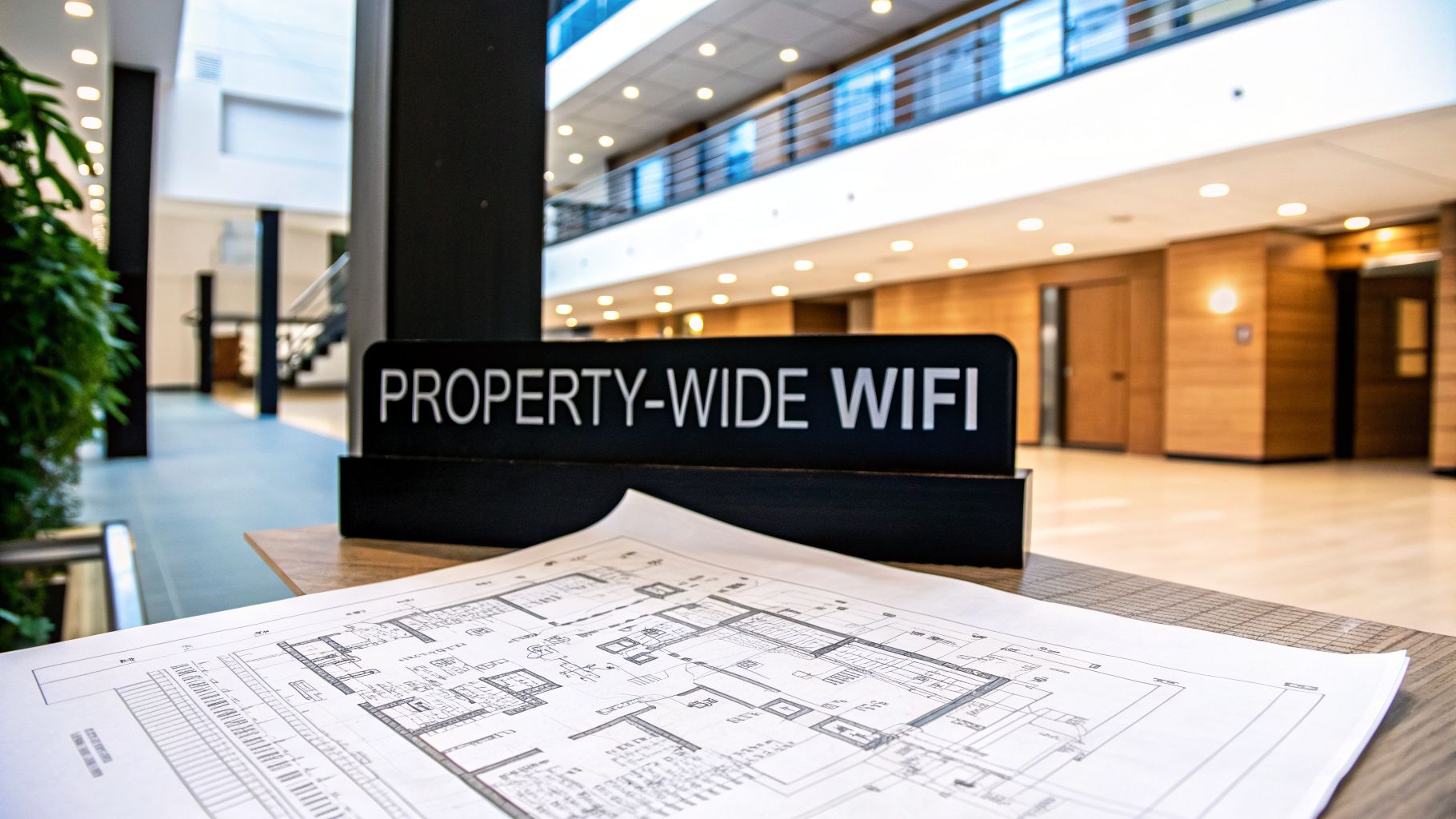
Building-wide Wi-Fi coverage sounds simple until you manage a senior living facility with multiple floors, thick concrete walls, and hundreds of residents connecting simultaneously. Dead zones emerge in hallways, dining areas, and resident rooms because access points sit too far apart or lack proper positioning to overcome structural obstacles. A facility cannot rely on consumer-grade routers scattered throughout the building.
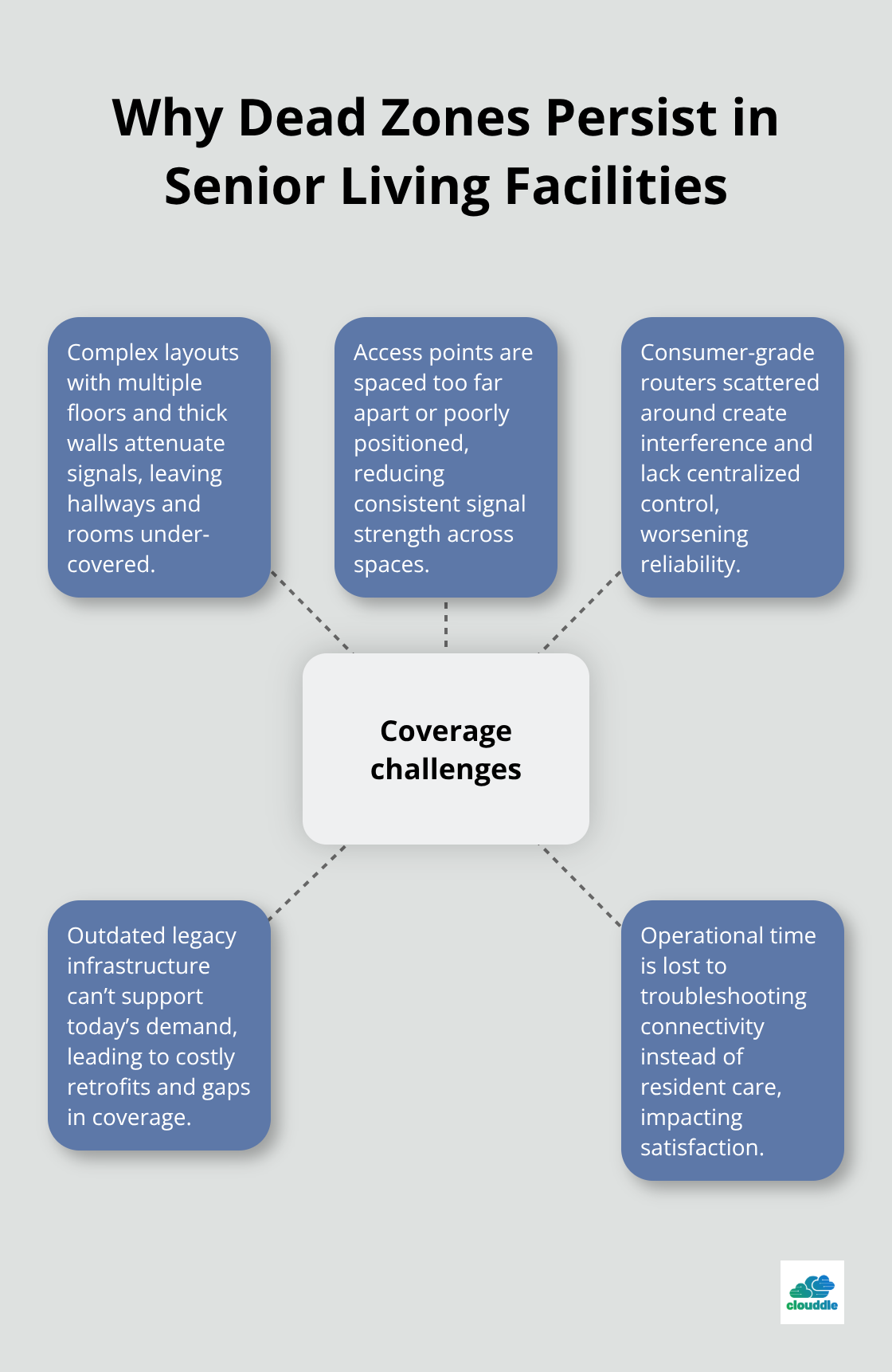
Each access point requires proper placement, power management, and integration with a centralized controller to maintain consistent signal strength. Many operators discover this problem only after installation fails, forcing expensive retrofits that disrupt daily operations. The real issue stems from outdated network infrastructure inherited from decades past-adding more routers without a cohesive design strategy creates interference rather than coverage. Staff waste hours troubleshooting connectivity instead of caring for residents, and families complain when video calls drop during check-ins.
Device Proliferation Overwhelms Standard Networks
Senior living communities support an explosion of connected devices that consumer networks were never designed to handle. According to Pew Research Center, 91% of older adults own smartphones, and people aged 50 and older use an average of seven tech devices including tablets and laptops. Facility-operated equipment like digital surveillance cameras, smart access controls, emergency alert systems, and remote monitoring devices add further strain. Peak usage times, particularly during meal hours or activity periods, create bottlenecks that slow video consultations and delay emergency alerts. A single facility can experience bandwidth demands that spike unpredictably, leaving critical systems vulnerable to performance degradation. Understanding network capacity planning helps operators anticipate these peaks and design infrastructure that scales reliably.
Security and Usability Create Conflicting Demands
Residents struggle with complex login processes while facility staff fear cyberattacks that cost an average of $3.92 million per incident according to breach cost data. Simple solutions like open Wi-Fi networks expose resident data and violate healthcare compliance requirements, yet overly restrictive systems frustrate residents who simply want to video call family members. Network segmentation protects sensitive systems while allowing residents straightforward access through simple username and password logins with automatic device reconnection. Professional managed Wi-Fi solutions handle bandwidth allocation automatically during peak times, preventing any single user from consuming resources that emergency systems need. This infrastructure foundation allows communities to address connectivity challenges systematically rather than reactively, setting the stage for solutions that transform how senior living facilities operate.
Modern Solutions That Actually Work for Senior Living
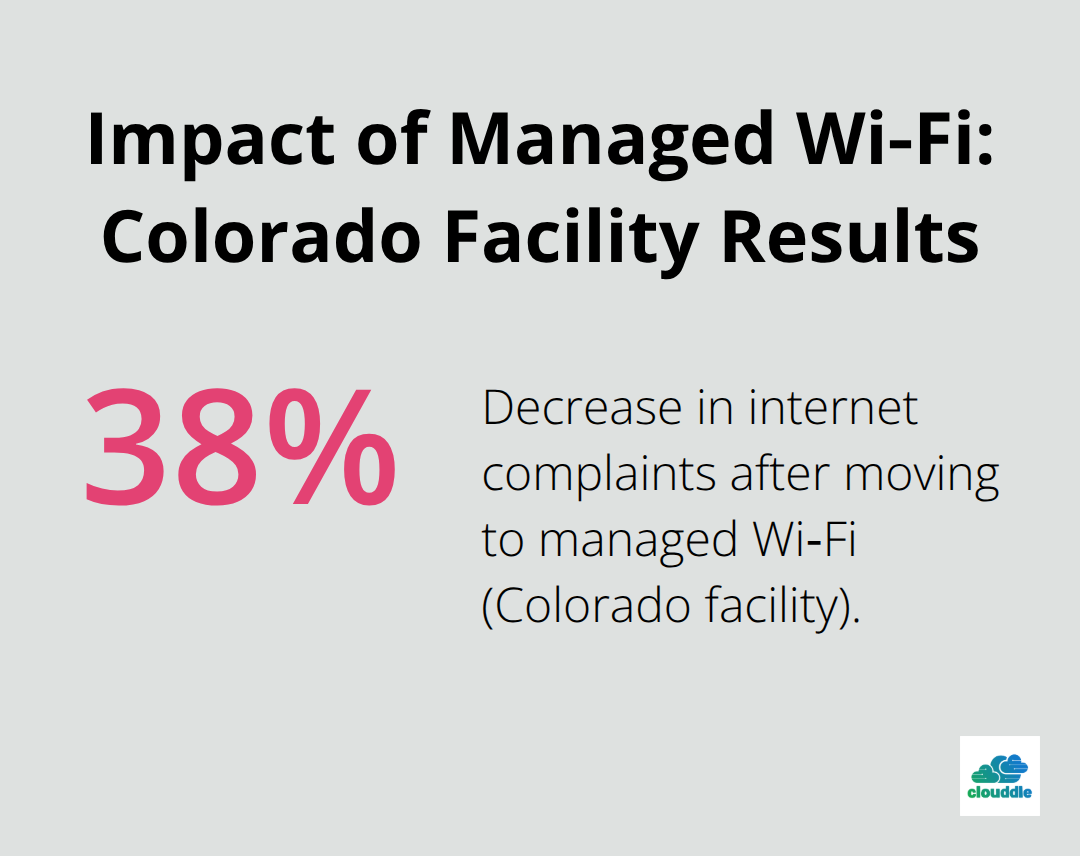
The Wi-Fi systems that fail in senior living communities share one critical flaw: they were designed for offices or homes, not for the complexity of multi-building properties with hundreds of concurrent users, medical devices, and security systems all competing for bandwidth. Network as a Service for senior living facilities transforms this equation entirely. Instead of purchasing expensive hardware and managing infrastructure in-house, facilities deploy a professional-grade network that the provider maintains and upgrades continuously. Clouddle delivers this model with managed IT, networking, Wi-Fi, and security services bundled together, eliminating upfront capital investment and freeing your staff from constant troubleshooting. A Colorado facility that switched to managed Wi-Fi saw internet complaints drop by 38 percent and IT time spent on Wi-Fi issues fall to nearly zero. This happens because managed systems include centralized monitoring that identifies problems before residents notice them, automatic firmware updates that patch security vulnerabilities without downtime, and scalable infrastructure that grows as your facility adds devices or expands operations.
Transparent Security That Residents Actually Use
Security and simplicity stop being opposites when you implement network segmentation with resident-facing authentication that works transparently. Residents log in once with a username and password, then devices reconnect automatically across the property without repeated login screens that frustrate older adults. Meanwhile, your critical systems like telehealth platforms, electronic health records, and emergency alerts run on protected network segments that prevent unauthorized access and comply with healthcare data requirements.
The Real Cost of Cutting Corners on Security
A breach costs senior living operators an average of $3.92 million, so cutting corners on security isn’t cost savings-it’s financial recklessness. Professional managed Wi-Fi solutions include content filtering that blocks malicious sites and online scams specifically targeting seniors, multi-layer authentication, built-in firewalls, and 24/7 monitoring that detects suspicious activity.
Support That Keeps Operations Running
Staff support comes around the clock with licensed technicians who troubleshoot issues immediately rather than leaving problems for the next business day, and resident-facing phone support handles connectivity questions without burdening your care teams. This operational model means your facility supports telehealth appointments without dropped calls, emergency monitoring devices function reliably, and residents stay connected to family without the frustration of dead zones or authentication failures.
Final Thoughts
Reliable Wi-Fi in senior living communities delivers tangible benefits that extend far beyond convenience. Residents gain independence through telehealth access, stay connected to family across distances, and participate in activities that keep them mentally and physically engaged. Staff spend less time troubleshooting connectivity and more time providing care. Facility operators reduce liability risks, improve resident satisfaction, and strengthen their competitive position when families evaluate communities.
The real cost of poor connectivity compounds over time-a single cyberattack costs an average of $3.92 million, dead zones frustrate residents and damage reputation, and device proliferation without proper network planning creates bottlenecks that compromise emergency response. Senior living WiFi solutions that work require professional infrastructure designed specifically for multi-building properties with hundreds of concurrent users, medical devices, and security systems. Network as a Service eliminates the burden of managing hardware and updates in-house, allowing your staff to focus on resident care while licensed technicians handle connectivity issues immediately.
Contact Clouddle to assess your current connectivity and design a future-proof solution tailored to your community’s needs.


0 Comments